
Edward Enninful says Vogue disability issue is 'one of my proudest moments
British
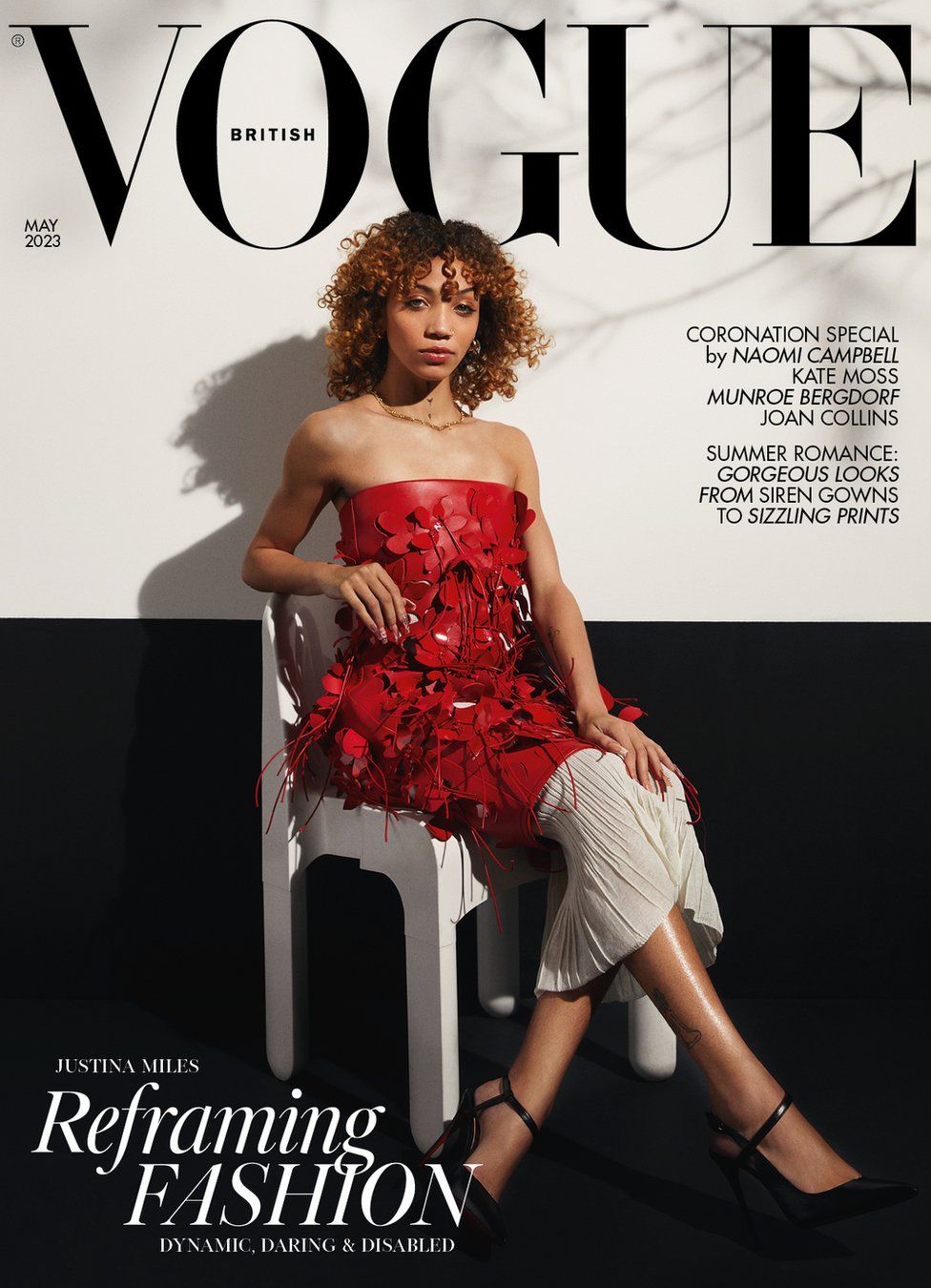
Vogue editor Edward Enninful has said working on May's issue, which has
five disabled cover stars, was "one of the proudest moments of my
career".
Titled Reframing Fashion, the edition focuses on 19 disabled people in total from fashion, sport and the arts.
The
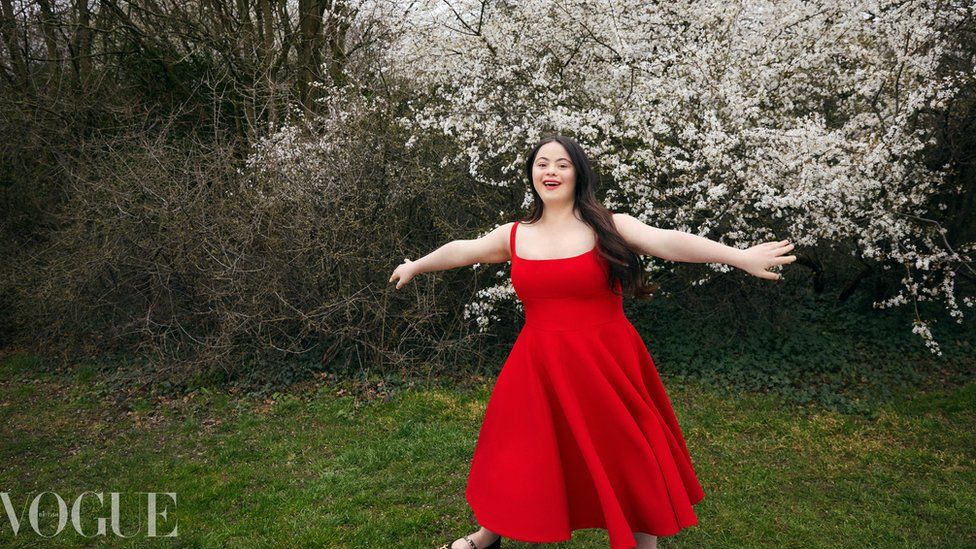
magazine's cover stars include actress Selma Blair, who has multiple
sclerosis, and model Ellie Goldstein, who has Down's syndrome.
Enninful, 51, said he had "learned so much" from producing the issue.
"My
tenure here at Vogue has always been about inclusivity and diversity,
and people forget how hard it is for the disabled community," Enninful
told the BBC.
He
revealed last year in his memoir that he had visual and hearing
impairments and a blood disorder, which he said present "challenges" in
his role as editor-in-chief at British Vogue.
"It
was so important I could relate - I felt real pride that people can
actually speak up about disabilities and not have to hide it and how it
impacts them.
"I think this is one of the most incredible issues I've had the privilege of editing in my tenure."
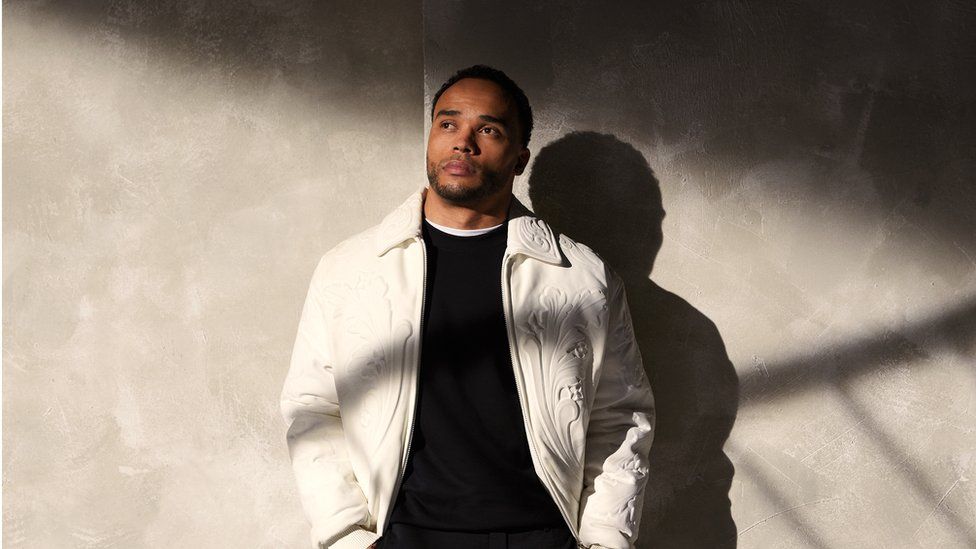
Other
contributors to the new edition include racing driver Nicolas Hamilton
and comedian Rosie Jones, who both have cerebral palsy, and Justina
Miles, who is deaf and was the sign language interpreter at Rihanna's
2023 Super Bowl half time show.
"What
I loved about all of them is they all just speak up and champion their
community by teaching the world to be more caring and understanding,"
Enninful said. "Anybody like that deserves to be on a British Vogue
cover."
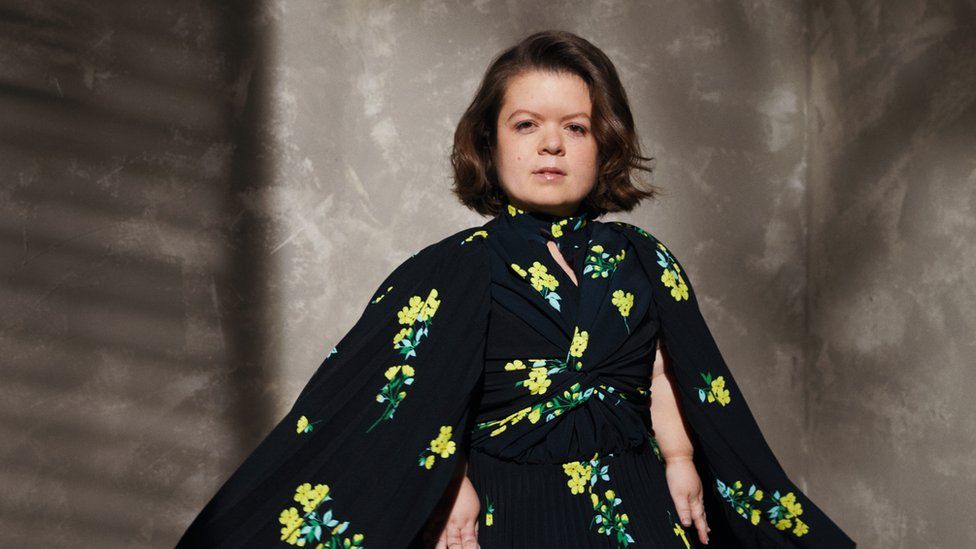
The
May issue also features Sinéad Burke as a contributing editor and cover
star. She runs accessibility consultancy Tilting the Lens, which has
advised brands like Netflix and Starbucks on how to make their
businesses more disability-friendly.
"Sinéad
taught me that retail spaces are quite unfriendly to people with
disabilities and that photographic studios are not designed to cater for
them," Enninful said.
"She has really opened my eyes and taught me that a whole group of people are being ignored."
Burke spoke to the BBC's Access All podcast about making sure all Vogue photoshoots for the issue were suitable.
"We
surveyed every studio to learn what level of accessibility existed and
then ensured the talent was set up to meaningfully participate," she
said.
"What
makes this issue so different is the way in which we think about
visibility and representation moving from something that is solely based
on image and the cover, to being in the room where decisions are made
so that it's not a moment, it's a movement."
British
Vogue said it hopes to represent some of the 16 million people living
with invisible and visible disabilities in the UK, and show how the
fashion industry can be more inclusive.
Enninful,
who got the top job at British Vogue in 2017 and became European
editorial director of Vogue in 2020, said he hopes to make the
publication a more inclusive workplace.
"We
want to carry this on and for people to see Vogue is taking that
step... We're not perfect, but we have to create this welcoming space,"
he said.
It's an issue that got some media attention earlier this year when Victoria Jenkins appeared on BBC show Dragon's Den.
Having
become disabled in her 20s, Jenkins discovered there were very few
fashionable clothes on the market for people like her.
She founded her own brand Unhidden to cater for various disabilities.
I
mentioned this to Enninful, and my own concerns as someone who has had
inflammatory bowel disease for nearly 20 years and has had to resort to
pyjamas and tracksuit bottoms during a flare-up or operation to feel
comfortable.
"I always have conversations with designers and it's something we'll carry on with," Enninful said.
"But
I think the more you raise awareness of what people go through, the
more people will start thinking how they can be more inclusive."
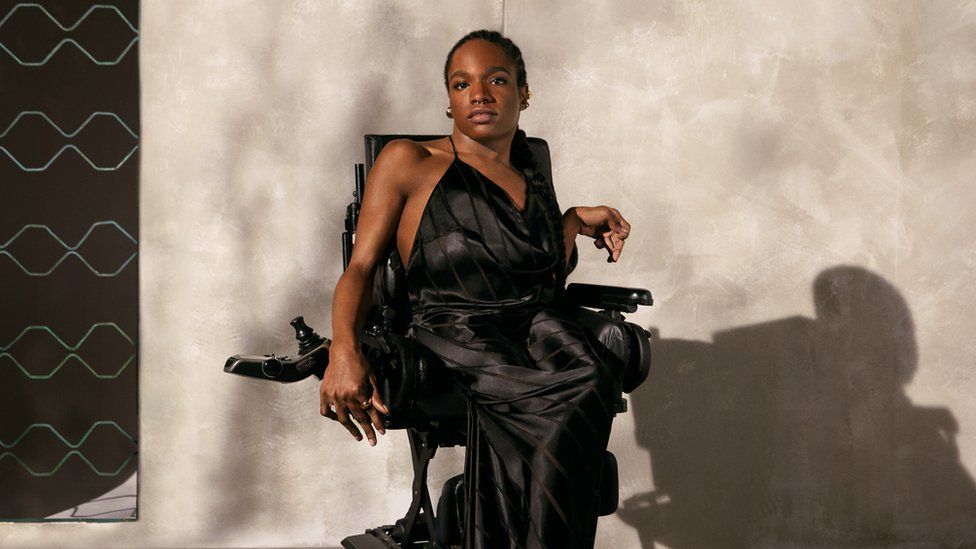
Rose Philip appears on one of the Vogue covers - she is the first
black, transgender and physically disabled model to receive a major
modelling contract
Enninful
said a big part of shooting this Vogue campaign involved making those
involved feel like there was a place in the fashion industry for them.
Many
people with both visible and hidden disabilities have not felt seen in
the media, especially on the front of glossy and often airbrushed
magazine covers.
"There
were a lot of tears - a lot of them [models] didn't think photoshoots
were for them and couldn't believe they were involved," he replied.
"Ellie
[Goldstein] said it was her dream to be on the cover of Vogue and she
said, seven years ago people would have laughed at her, but there she
is, and everybody deserves to be seen.
"When
this issue comes out, I hope a lot of disabled people will look at it
and say, not only can I see myself on the pages of Vogue, but also in
fashion."

